
How we closed the loop between members and their OB-GYN providers.
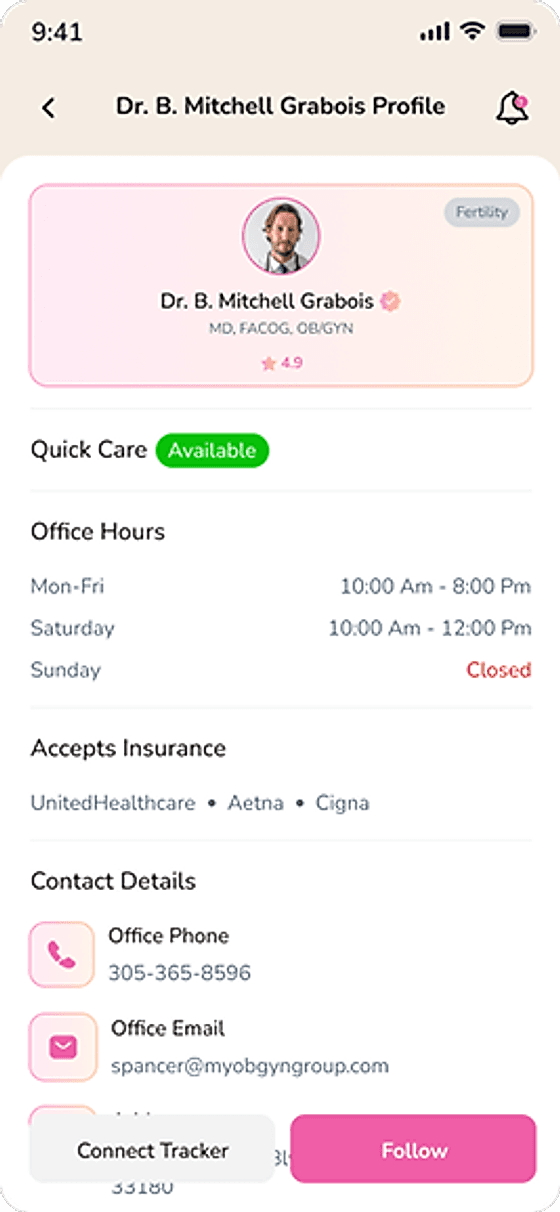
OBGYNRx connects women to their OB-GYN care team between appointments — symptom logging, care plan tracking, secure messaging, and lab result delivery. We built the patient app, the provider web portal, and the HIPAA-compliant backend.
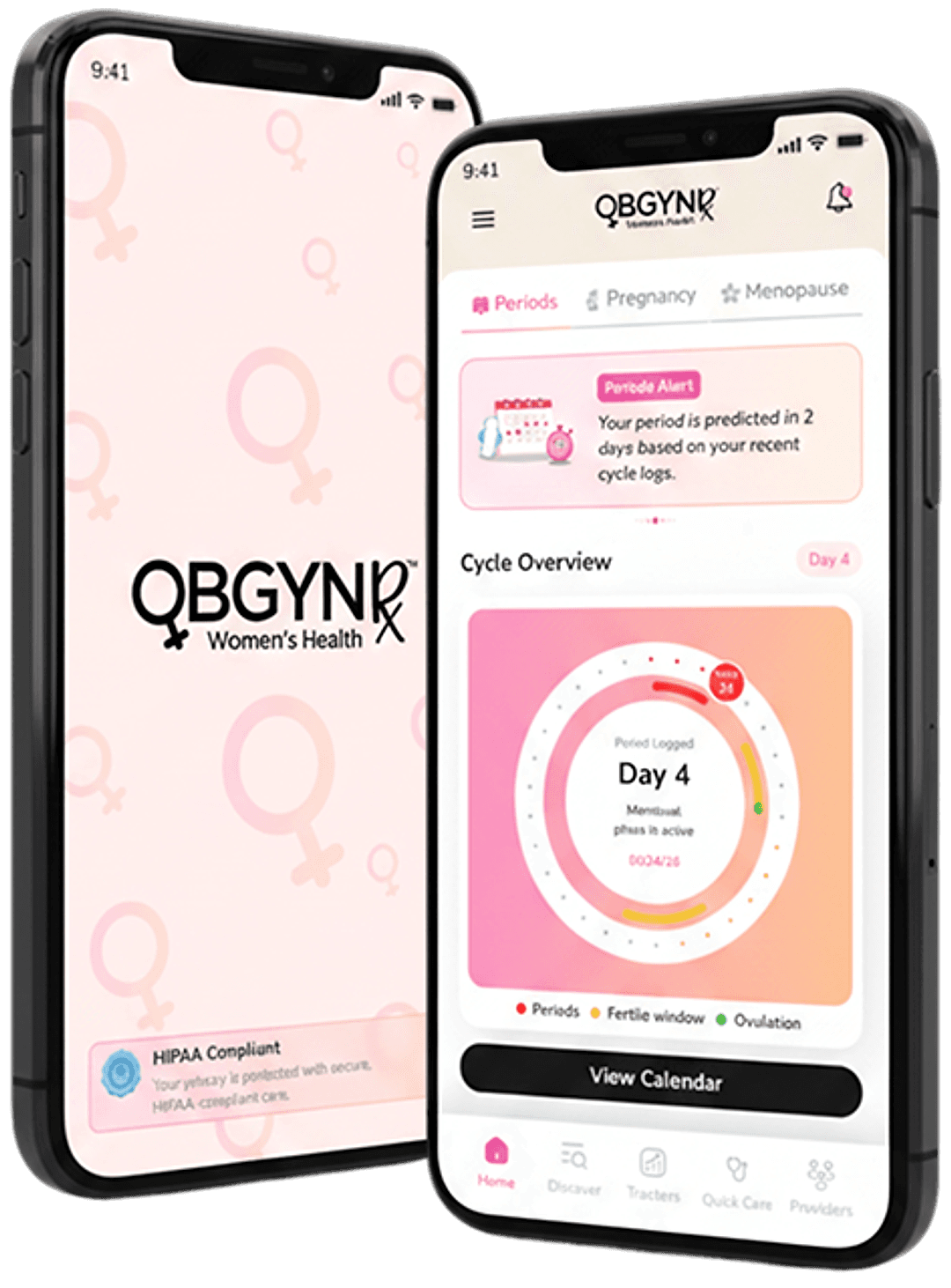
A walk through the product.

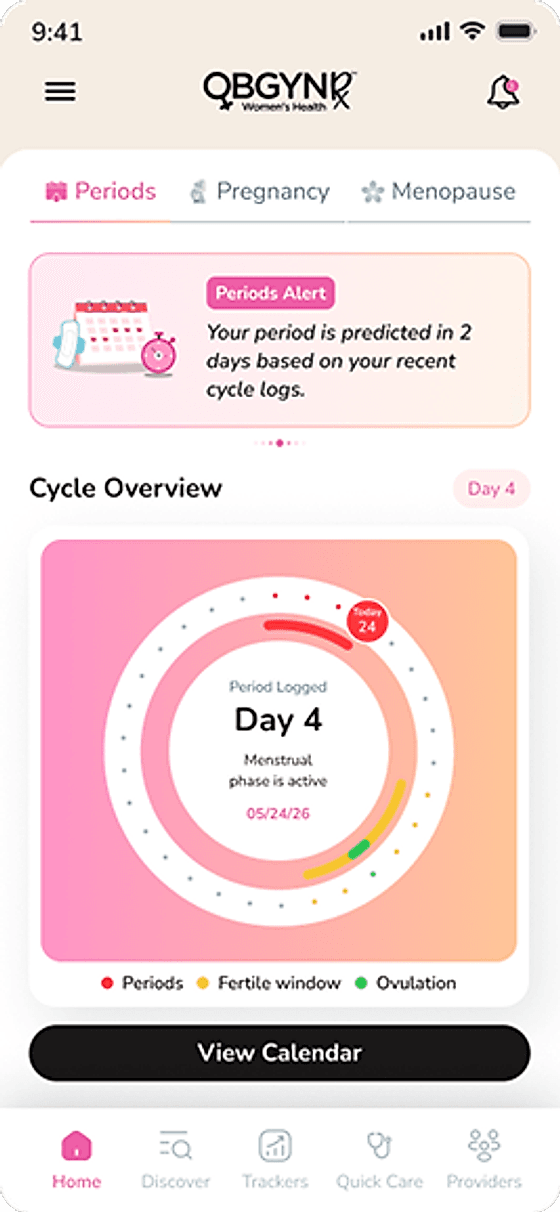
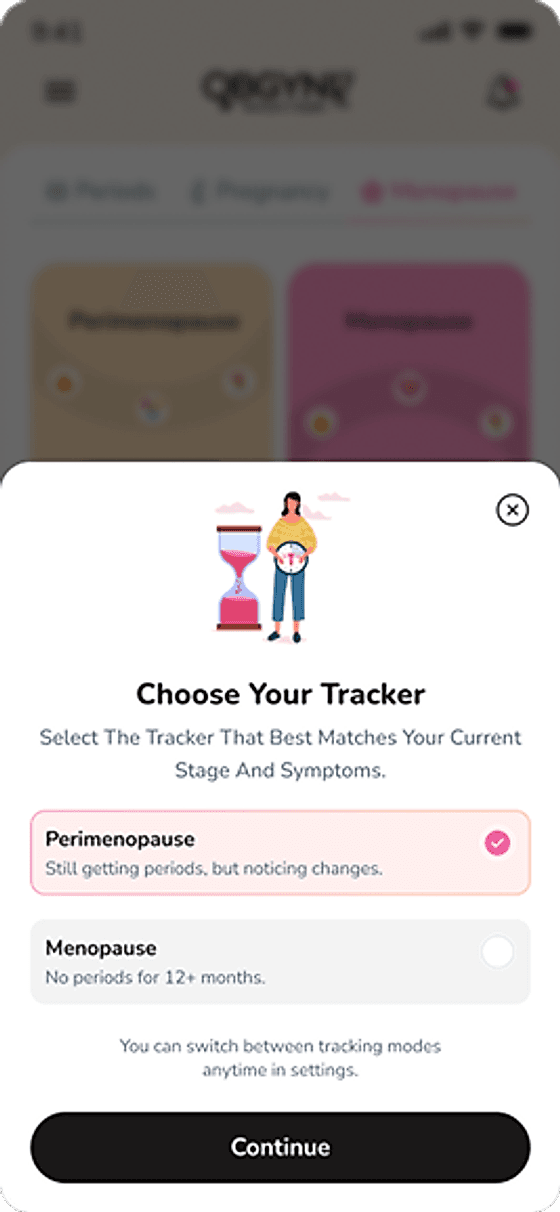
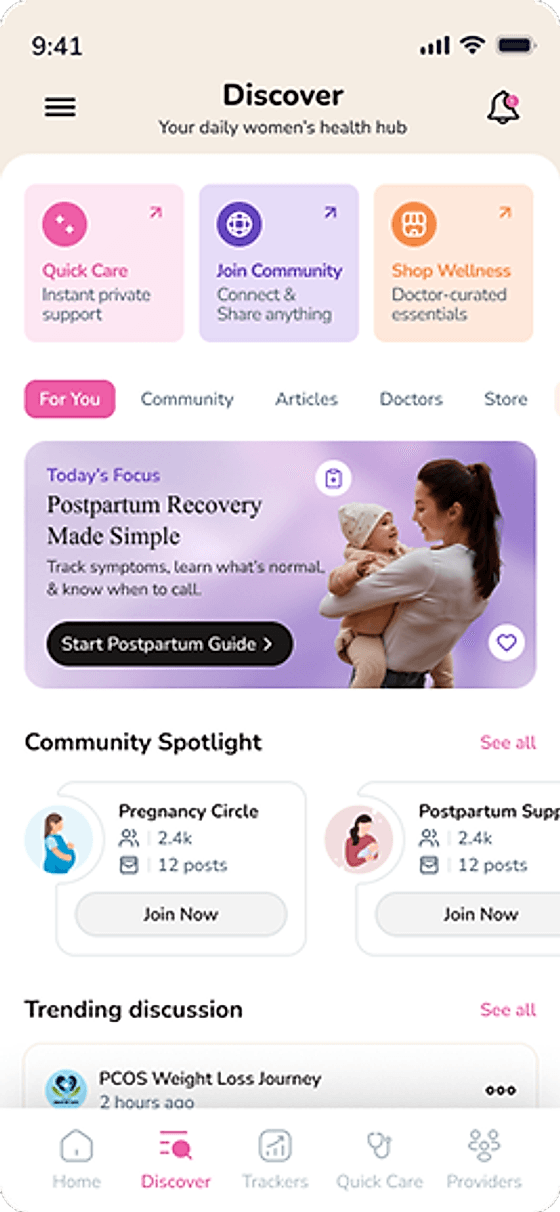
Between OB-GYN appointments — which can be weeks or months apart — patients have nowhere to record symptoms, ask questions, or track their care plan.
Between OB-GYN appointments — which can be weeks or months apart — patients have nowhere to record symptoms, ask questions, or track their care plan. Most questions go to voicemail. Many issues get missed until the next visit. For conditions like endometriosis, PCOS, or high-risk pregnancies, that gap is dangerous.
Providers, meanwhile, spent the first 10 minutes of every appointment asking what had changed since the last visit — information the patient had often forgotten. There was no continuity of data between the patient's phone and the provider's EMR.
HIPAA compliance, cross-device sync, and EMR integration had defeated two previous vendor attempts. OBGYNRx came to Fusionwave with a clear vision and a regulatory requirement: ship compliant or don't ship.
What it took.
- HIPAA compliance across every surface. Not just the database — every vendor, every API call, every log file. We signed BAAs with all infrastructure providers and built an audit log that passes forensic review.
- NLP that works for non-medical language. Patients say 'my back hurts on the right side when I sit' — not 'right-sided lumbar pain, seated.' We fine-tuned a medical NLP model on 50,000 annotated symptom descriptions to bridge that gap.
- EMR integration in a fragmented market. OB-GYN practices use 14 different EMR systems. We built a FHIR-first integration layer with adapters for the top 6 EMRs — covering 80% of the market — and a manual export fallback for the long tail.
- Patient trust in health data apps. We ran a trust audit at prototype stage. The result: explicit consent flows, a visible data deletion tool, and a 'who can see this?' explainer on every data entry screen increased signup completion by 44%.
What ships in the product.
Symptom logging
Plain-language symptom entry with NLP extraction into structured clinical fields. No medical jargon required.
Care plan tracking
Patients see their provider-set care plan — appointments, tests, medications — with reminders and completion tracking.
Secure provider messaging
HIPAA-compliant async messaging with attachment support. Providers respond within provider-set hours.
Lab result delivery
Results arrive in-app as soon as the lab files them, with plain-English interpretation and a 'what to do next' guide.
Symptom timeline
Chronological view of all logged symptoms — shared with the provider at the next appointment to replace the 'catch-up' first 10 minutes.
Provider portal
Timeline view of each patient's between-visit activity, message triage, care plan management, and appointment notes.
EMR integration
Structured data from patient logs pushes to the practice EMR via HL7 FHIR. No double-entry.
Emergency contact protocol
Patients can flag an entry as urgent — triggers a notification workflow to the on-call provider outside normal hours.
Multi-practice support
Patients seeing multiple OB-GYN providers (e.g. MFM specialist + community midwife) can connect both in one app.
Production-grade from week one.
We chose the boring, battle-tested options where it mattered and innovated where it gave the product a real edge.
OBGYNRx in the wild.
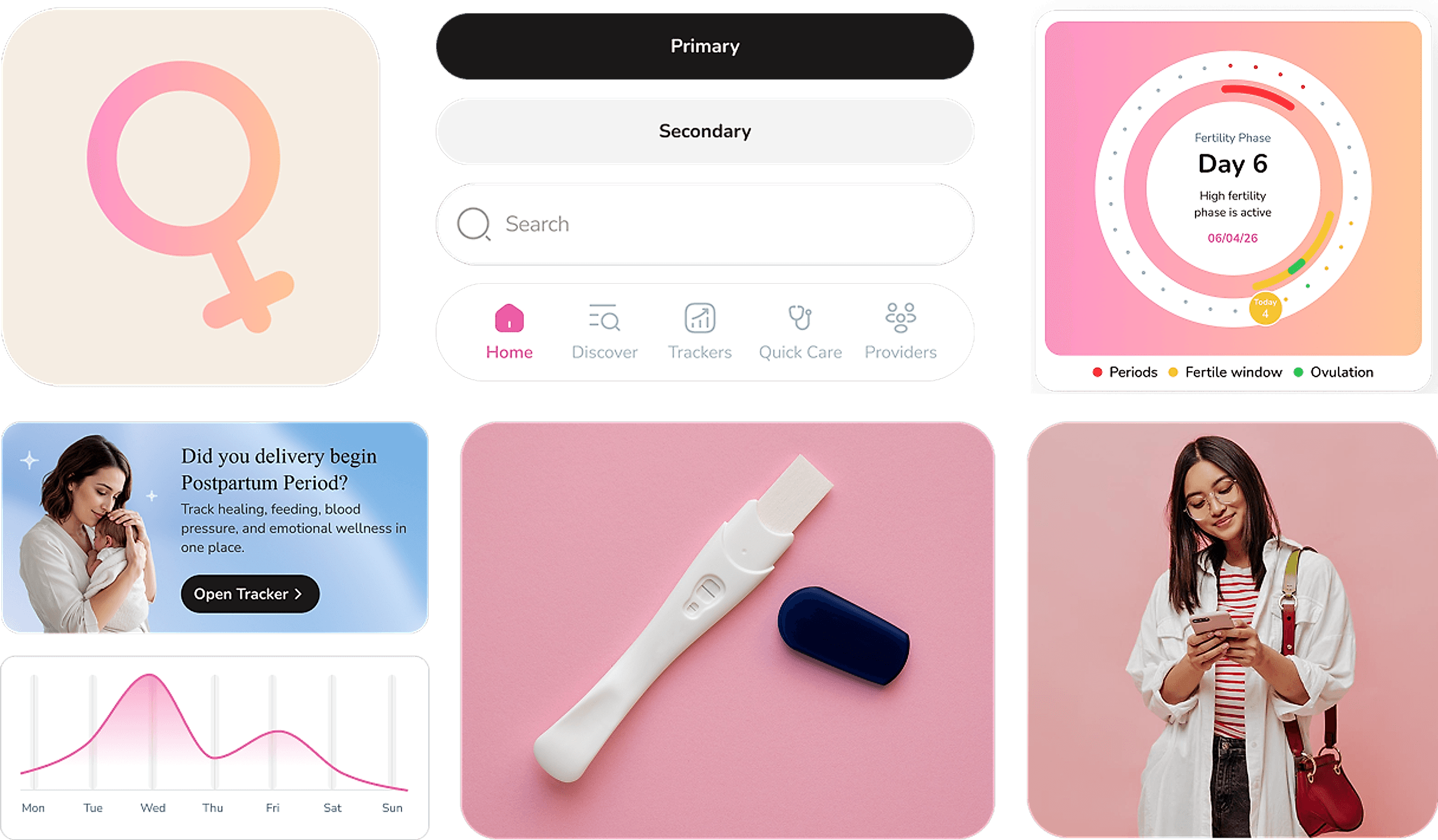
A closer look at the core user flows built for this product.
Building something like OBGYNRx?
OBGYNRx connects women to their OB-GYN care team between appointments — symptom logging, care plan tracking, secure messaging, and lab result delivery. Send us a brief and we'll scope it within 24 hours.